

Casimba casino Plinko
Introduction
I’ve reviewed enough casino products to know when a game is being carried by hype and when it actually offers a distinct player experience. Plinko belongs to the second category. On the surface, it looks almost too simple to deserve serious analysis: you drop a ball from the top of a peg board, it bounces left and right, and it lands in a payout slot at the bottom. That is the whole visual concept. Yet in practice, Plinko creates a very specific kind of tension that many classic slots do not reproduce in the same way.
On a page focused on Casimba casino Plinko, the key question is not whether the layout is easy to understand. It is. The real question is what the player is actually getting into once the ball starts falling. This is where Plinko becomes more interesting than its minimalist interface suggests. The game combines instant outcomes, adjustable risk levels, visible randomness and a fast session rhythm that can feel either controlled or brutal depending on the settings chosen.
For players in New Zealand looking at Plinko on Casimba casino, the practical value of understanding the format in advance is high. This is not a slot with Casimba Casino bonus terms wagering and promo details rounds, story elements and long feature cycles. It is a probability-driven casino game where the pace is immediate and the emotional swing can be sharper than many newcomers expect. In this article, I’ll break down how Plinko works, why it attracts so much attention, what its strengths and weak points look like in real play, and who is likely to enjoy it.
What Plinko is and why it stands out to players
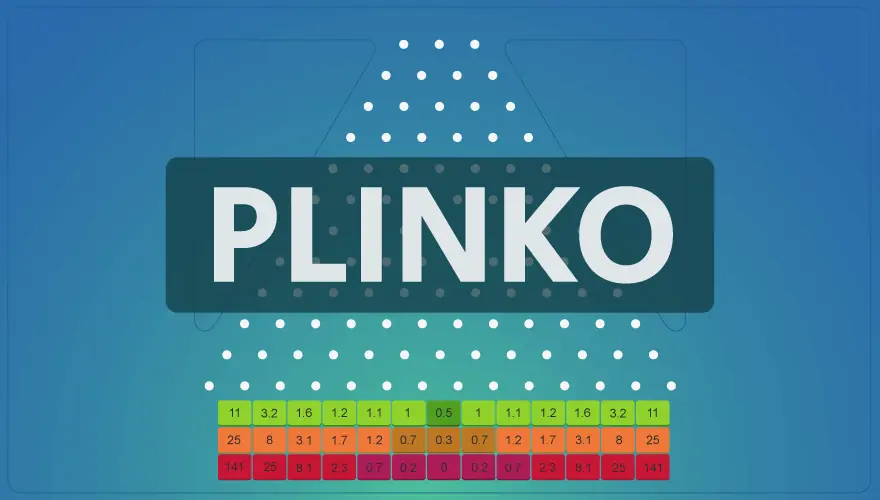
Plinko is a ball-drop casino game built around a peg board. The player selects a stake, usually chooses a risk level, sometimes adjusts the number of rows, and then releases a ball from the top. As the ball hits pegs on the way down, it changes direction repeatedly before landing in one of several multiplier slots. The final multiplier determines the return on that round.
That description sounds almost mechanical, but the appeal is psychological as much as mathematical. Unlike a slot spin, where the result is presented all at once, Plinko lets the outcome unfold in front of the player. You can watch the ball bounce through the board and briefly imagine that its path is readable, even though the result remains governed by random outcomes and payout structure. This visible journey is one of the reasons Plinko has become so noticeable across modern online casino platforms.
There is another reason the format attracts attention: it strips away decorative noise. No reels, no paylines, no expanding symbols, no overloaded interface. For some players, that makes Plinko feel transparent. You see the ball, you see the board, and you see the multiplier zones. The presentation suggests simplicity and honesty. But this is also where many players misread the game. A simple screen does not mean a simple result profile. Depending on the risk mode, Plinko can move from low-intensity entertainment to a highly uneven return pattern very quickly.
One observation I find important here is this: Plinko often feels less like a traditional casino product and more like a live experiment in probability. That sensation is part of its pull. It gives players the impression that they are interacting with randomness directly rather than through a themed slot engine.
How the Plinko system actually works on a practical level
To understand Plinko properly, a player needs to separate the visual path from the payout logic. The ball appears to take a unique route each round, but the important part is not whether it bounced left-right-left or right-left-right. What matters is how the game’s mathematics distribute outcomes across the board and how the chosen risk setting reshapes the payout map.
In most versions, the process looks like this:
The player sets the bet amount.
A risk level is selected, often low, medium or high.
The board size or row count may be adjusted if the version allows it. If bonuses are what you care about, real money withdrawal times breaks down every offer currently running.
The ball is dropped from the top.
The ball lands in a multiplier slot, and the stake is multiplied accordingly.
The central slots usually appear more often because there are more paths leading toward the middle of the board. Edge slots are harder to hit and often carry the largest multipliers. That is the core trade-off. Frequent modest returns tend to cluster around the centre, while rare headline results sit at the edges.
What looks like a simple bounce pattern is therefore a carefully weighted outcome distribution. The board is not just decorative. It is a visual representation of a probability curve. In lower-risk settings, the multiplier spread is flatter, with more moderate results and fewer extreme jumps. In higher-risk settings, the centre may become less rewarding and the edges may hold much larger multipliers, which means the session can become far more volatile.
| Element | What it means | Why it matters in play |
|---|---|---|
| Bet size | The amount staked per drop | Directly affects bankroll pressure during fast sessions |
| Risk level | Changes the payout distribution across the board | Can turn the same game from steady to highly uneven |
| Rows | Controls the depth of the board in some versions | Often changes the spread of outcomes and session feel |
| Multiplier slots | Determine the return when the ball lands | Show where frequent small returns and rare large hits are placed |
One practical point many players overlook: the ball animation can make near-misses feel meaningful. If the ball bounces close to a high multiplier and then drops away at the last moment, it creates almost the same emotional reaction as a near-hit on a slot. But from a decision-making standpoint, that visual drama should not be mistaken for a signal or pattern.
Why the game feels engaging and how its tempo affects the session
Plinko has a fast natural rhythm. A round starts instantly, resolves quickly and gives immediate feedback. That pace is a major part of its appeal. You do not need to wait through reel animations, feature intros or bonus transitions. The cycle from stake to result is short, which makes the game easy to continue playing without interruption.
On Casimba casino, this matters because the player experience is shaped not only by the game’s mathematics but also by how rapidly those mathematics are encountered. A game with quick rounds can amplify both enjoyment and bankroll movement. In Plinko, that acceleration is built into the format. Even when the interface looks calm, the session itself can become intense because dozens of outcomes can arrive in a short time.
I would describe Plinko’s tempo as deceptively soft. Visually, it is clean and almost casual. In bankroll terms, it can be aggressive if the player uses high stakes or repeated auto drops. This contrast is one of the most distinctive things about the game. It does not look noisy, but it can produce a very sharp financial rhythm.
Another memorable observation: Plinko often feels calmer than it really is. The board, pegs and bouncing ball create a toy-like presentation, yet the underlying session speed can be closer to rapid-fire betting than many players realise.
The interest also comes from the balance between anticipation and immediacy. Each round is short, but not instantaneous. You get a brief suspense window while the ball falls. That small delay is enough to build expectation without slowing the session down. It is a very efficient tension loop.
Risk levels, probabilities and who should treat Plinko with caution
Plinko is not difficult to understand, but it is easy to underestimate. The most important thing a player needs to grasp before starting is that the risk level changes the practical identity of the game. Low-risk Plinko and high-risk Plinko can feel like two different products sharing the same board.
In lower-risk mode, outcomes are usually packed more tightly around smaller multipliers. This does not remove losing rounds, but it tends to reduce the severity of the swings. The trade-off is obvious: those dramatic top-end multipliers become less central to the experience. For a player who wants a steadier rhythm and longer session time, this setting is often more manageable.
High-risk mode is different. Here, the game leans harder into rare large multipliers and more punishing stretches of weak returns or losses. That can be attractive to players chasing large upside from small stakes, but it also means bankroll deterioration can happen quickly. A few standout results may define the entire session, and if they do not arrive, the experience can feel unforgiving.
Probabilities in Plinko are best understood through distribution rather than prediction. You are not trying to guess where the next ball will land. You are choosing the type of payout curve you want to expose yourself to. That is a more useful way to think about the game.
If you value session stability, lower risk settings generally make more sense.
If you are comfortable with long dry spells, higher risk settings may be acceptable, but only with tighter stake control.
If you dislike abrupt bankroll swings, Plinko can become frustrating very quickly, especially when auto-play is involved.
For many players, the real danger is not misunderstanding the rules. It is misunderstanding the emotional profile of the game. Plinko can produce a sequence of ordinary outcomes that feels harmless, and then a long run of low-value landings can quietly drain the balance. Because each round is so simple, the losses can arrive without the player fully registering how fast the session is moving.
What players should know about rhythm, outcome patterns and expected results
Plinko is a game of uneven distribution. That is true even when the visual presentation feels smooth. The player should not expect a balanced back-and-forth flow of good and bad rounds. Instead, the game often produces clusters: stretches of modest returns, patches of weak landings and occasional standout results that change the short-term picture.
This matters because many players enter Plinko expecting the visible board to make the randomness feel more intuitive. In reality, the board helps you see the process, not control it. The outcome pattern remains statistical. Over a short session, results can look erratic. Over a longer session, the payout structure expresses itself more clearly, but that does not guarantee comfort or consistency.
If the version includes row adjustments, this can further affect the feel of the session. More rows usually mean a longer path and a broader spread of possible outcomes. That does not automatically make the game better. It simply changes the shape of the distribution and the emotional pacing of each drop.
Here is the practical takeaway: Plinko is best approached with pre-set limits. Decide before playing how much you are willing to stake, how many rounds you want to play, and whether you are aiming for a short entertainment session or a more speculative high-variance run. Without that structure, the game’s speed can encourage reactive decisions.
| Session factor | Lower-risk approach | Higher-risk approach |
|---|---|---|
| Typical flow | More moderate returns, fewer extremes | Sharper swings, rarer standout results |
| Bankroll pressure | Usually easier to manage | Can escalate quickly |
| Emotional experience | Steadier, less dramatic | More suspenseful, more punishing when cold |
| Best suited to | Players seeking controlled sessions | Players comfortable with aggressive variance |
A third observation worth remembering is this: Plinko can create the illusion of momentum without actually having momentum. A few good landings in a row may tempt a player to increase stakes, but the next drop is not “warmed up” by the previous one. Each round should be treated as a fresh event within the game’s overall probability model.
How Plinko differs from slots and other casino game formats
The easiest comparison is with online slots, because that is where many players come from. Slots usually rely on reels, symbol combinations, payline logic and feature rounds. Their entertainment value often comes from layered design: themes, sound, bonus triggers, real money free spins and expanding mechanics. Plinko removes most of that structure. It is leaner and more direct.
The difference is not only visual. It affects how the player experiences control and expectation. In a slot, a lot of the tension is tied to whether a feature will trigger. In Plinko, the tension is concentrated into every individual drop. There is no waiting for the “real action” to begin. The action is the drop itself.
Compared with Casimba Casino roulette guide for online casino players, Plinko shares the appeal of quick rounds and visible randomness, but the emotional texture is different. Roulette gives a fixed wheel and discrete betting options. Plinko gives a travelling object and a multiplier map that feels more dynamic, even though the mathematics are still structured. Compared with crash-style products, Plinko is generally less about timing decisions and more about selecting the desired exposure level before the round begins.
For players used to classic slots, this difference can be refreshing or disappointing. If you enjoy narrative design, bonus hunts and varied feature sequences, Plinko may feel too stripped back. If you prefer direct outcomes and clean probability-based play, it can be far more satisfying than a busy reel game.
Strengths and weak points of Plinko in real use
The strongest aspect of Plinko is clarity. I can explain the core loop in one sentence, and a new player can understand it almost immediately. That accessibility is not trivial. Many casino products bury their true behaviour under theme and animation. Plinko does not. It presents its structure openly, which helps the player make faster judgments about whether the format suits them.
Another strength is pacing flexibility. Because the rounds are short and the settings can often be adjusted, the player can shape the session more directly than in many slot environments. Lower risk, smaller stakes and limited rounds can create a measured session. Higher risk and repeated drops can produce a much more aggressive experience.
There is also a genuine suspense advantage. Watching a ball fall through the board creates a simple but effective anticipation cycle. The game does not need elaborate presentation to hold attention.
Its limitations are just as real. First, repetition can set in quickly for players who need variety. Once you understand the board, the session becomes about distribution and discipline rather than discovery. Second, the simplicity of the interface can hide the intensity of the bankroll swings. Third, players may overestimate the significance of visible near-misses because the animation makes them feel personal.
On balance, the format is strongest when approached as a focused probability game rather than a content-rich entertainment product. If a player expects constant novelty, Plinko may not hold interest for long. If the player wants a clean, fast and analytically readable format, it has clear value.
What to check before launching Plinko on Casimba casino
Before playing Casimba casino Plinko, I recommend paying attention to a few practical points that directly affect the session:
Check the risk setting first. Do not treat this as a cosmetic option. It changes the experience materially.
Look at the multiplier layout. See where the large returns sit and how narrow those target zones are.
Set a stake that matches the game’s speed. A bet that feels small on a slot can add up faster here because rounds resolve so quickly.
Use demo mode if available. It helps you understand the rhythm without immediate bankroll pressure.
Be careful with auto-play behaviour. Fast repetition can flatten your awareness of session cost.
For New Zealand players in particular, the most useful mindset is to treat Plinko as a short-form decision game. You are not settling in for a long feature hunt. You are choosing a payout profile, a pace and a tolerance level for uneven returns. That framing leads to better choices than simply following the visual simplicity of the board.
I would also add one practical warning: if you are the kind of player who tends to chase after seeing a ball land one slot away from a top multiplier, Plinko may test your discipline. The format makes “almost” feel unusually vivid.
Final verdict
Plinko at Casimba best Casimba Casino bonus deals for real money players a very specific casino experience: fast rounds, visible randomness, adjustable risk and a clean interface that hides surprisingly sharp differences in session behaviour. Its main strength is not novelty for its own sake. It is the way the game turns a basic ball-drop concept into a compact probability engine that is easy to understand but not always easy to manage.
For the right player, that is exactly the appeal. Plinko suits people who want direct action, quick feedback and a format where the payout structure is easier to read than in many slots. It can also work well for players who like to choose between steadier and more aggressive session styles through risk settings rather than through entirely different games.
Its weak side is just as clear. The game can become repetitive, the pace can drain a balance faster than expected, and higher-risk modes can be punishing. Players who want layered bonus content, thematic variety or a more relaxed sense of progression may find it too bare or too abrupt.
If I had to sum it up simply, I’d say this: Plinko is not just a simple casino game. It is a simple-looking game with a surprisingly important set of decisions behind it. That is why it keeps attention. And that is also why caution matters. Try it if you value speed, clarity and probability-driven tension. Skip it if you prefer slower development, richer features or a more forgiving rhythm.
FAQ
How does Plinko work when the ball drops?
A ball is released from the top and falls through a grid of pegs. Every bounce redirects its path until it lands into a result slot. Each slot corresponds to a multiplier that affects the final payout for the round. The game is designed to be fast and easy to follow in the game lobby.
What affects the multiplier outcome in Plinko?
The final multiplier depends on where the ball comes to rest within the outcome slots. Small differences in the ball path can lead to very different results across rounds. Volatility in Plinko is reflected by how frequently lower vs higher multipliers appear. The exact risk behavior can be checked in the game rules shown in the interface.
Is Plinko played for real-money or in demo mode?
Casimba offers both demo mode and real-money play. Demo mode uses virtual funds and helps players understand the pace and multiplier patterns without deposit. Real-money play uses the selected deposit and follows the active wagering and bonus terms, if any. Checking the mode indicator before starting keeps the session accurate.
How to launch a Plinko round from the game lobby?
Open the casino games lobby, then select Plinko. Choose the desired bet amount or stake setting shown in the Plinko panel. Press the drop or start button to release the ball. The round result appears once the ball settles into a slot.
Does Plinko have a table limit or bet limits per round?
Bet and stake limits depend on the Plinko settings available in the active game session. If a chosen amount is rejected, the game interface typically shows the allowed range. Checking those limits before pressing start avoids failed drops. Limits may also change when real-money play switches to demo mode.
Where can account access be managed before starting Plinko?
Account access is handled through casino login on the official site. For a new session, sign up or log in, then return to games lobby to launch Plinko. If the login screen shows an error, verifying the email or username details usually resolves it faster. Keeping the session signed in also helps maintain steady gameplay.
If deposit or withdrawal is needed after playing Plinko, where are those steps handled?
Payments are managed via the cashier section of the official site. Deposit and withdrawal availability depends on selected payment method and account verification status. Before requesting a withdrawal, the account panel typically shows which steps are completed and what might be required. Reviewing withdrawal limits helps avoid delays during cash-out.